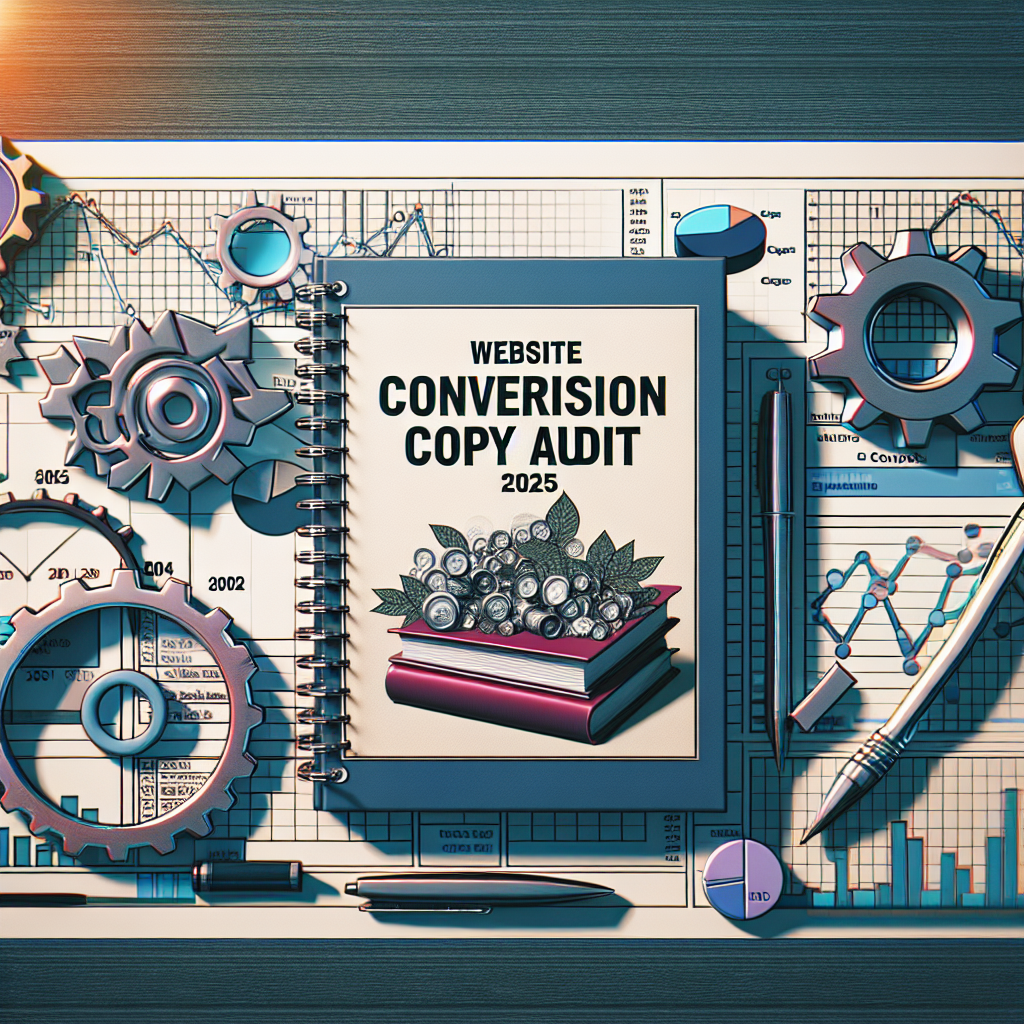
The Ultimate Guide to a 2025 Website Conversion Copy Audit That Boosts Results
Table of Contents
- 1. Understanding the Importance of a Website Conversion Copy Audit
- 2. Preparing for Your Website Conversion Copy Audit
- 3. Analyzing Your Current Website Content
- 2025. Content Optimization Trends in 2025
1. Understanding the Importance of a Website Conversion Copy Audit
The Role of Copy in Conversion Optimization
Your websiteâs copy is the backbone of your conversion strategy. In 2025, the effectiveness of your messaging increasingly depends on how well your words resonate with your audience. A well-executed website conversion copy audit reveals gaps and opportunities for better engagement.
For example, many e-commerce sites saw a 15% increase in sales after refining product descriptions and call-to-actions (CTAs) through a targeted copy audit. Without periodic reviews, your website risks becoming outdated, losing potential conversions to competitors.
This is why a comprehensive website conversion copy audit is vital. It helps ensure your content is aligned with current consumer behaviors and SEM best practices, especially as trends evolve rapidly in 2025.
Why 2025 Calls for a Fresh Approach
Each year, consumer preferences shift, and so do algorithms and best practices. In 2025, the integration of AI-powered personalization and voice search impacts how content should be crafted. An up-to-date copy audit ensures your messaging stays relevant.
For instance, many brands are adopting conversational copy to mimic natural speech patterns, boosting engagement rates. Without a fresh website conversion copy audit, your site might miss out on these emerging opportunities.
Regular audits enable you to adapt quickly, maintaining a competitive edge in an increasingly digital landscape that emphasizes user-centric content.
2. Preparing for Your Website Conversion Copy Audit
Setting Clear Goals and KPIs
Before diving into the audit, define what success looks like for your website. Are you aiming to increase leads, boost sales, or improve engagement? Clear goals help measure the impact of your copy adjustments.
Key Performance Indicators (KPIs) such as bounce rate, average session duration, and conversion rate serve as benchmarks. For example, optimizing CTA phrases may increase your form submissions by 20% in 2025.
Document your current metrics to compare pre- and post-audit results. This data-driven approach ensures your website conversion copy audit translates into tangible results.
Gathering Data and Customer Insights
Effective audits rely on solid data. Use analytics tools like Google Analytics and heatmaps to identify which pages and elements underperform.
Customer feedback, surveys, and user recordings also provide qualitative insights into how visitors interpret your messaging. In 2025, leveraging AI to analyze these inputs can uncover subtle issues that hinder conversions.
Use this information to prioritize parts of your site that need the most urgent copy improvements. The better your data collection, the more targeted your website conversion copy audit will be.

2025. Content Optimization Trends in 2025
Embracing AI and Personalization
In 2025, AI-driven content personalization has become a cornerstone of successful websites. Tailoring your copy to individual visitor behavior significantly boosts conversion rates. Performing a website conversion copy audit helps identify opportunities for dynamic content deployment.
Tools like chatbots and personalized recommendations leverage AI algorithms, but they also require well-crafted copy that resonates with each user segment. Regular audits ensure your messaging aligns with these advanced features.
Experiment with real-time content adjustments based on user data and analyze their effectiveness as part of your ongoing website conversion copy audit process.
Optimizing for Voice Search and Mobile Experience
With voice assistants gaining popularity, optimizing your website copy for voice search is essential in 2025. A comprehensive audit evaluates how your content performs in voice queries and on mobile devices.
Crafting conversational, long-tail keywords and natural language phrases enhances your chances of appearing in voice search results. Also, ensure your mobile copy is concise and compelling, encouraging actions without unnecessary friction.
Incorporating these elements into your website conversion copy audit helps future-proof your site against evolving search habits and device usage trends.
Frequently Asked Questions
1. What is a website conversion copy audit?
A website conversion copy audit is a thorough review of your websiteâs content, focusing on how effectively your copy persuades visitors to take the desired actions. It identifies gaps and opportunities to improve messaging, clarity, and engagement.
2. Why is performing a website conversion copy audit important in 2025?
Because consumer behaviors, search algorithms, and digital trends rapidly evolve, conducting a regular website conversion copy audit ensures your website stays relevant, competitive, and optimized for conversions in 2025.
3. How often should I perform a website conversion copy audit?
Ideally, you should conduct a comprehensive audit at least every 6 to 12 months. In fast-changing markets like 2025, quarterly reviews are recommended for staying ahead of trends and algorithm updates.
4. What are some common mistakes to avoid during a website conversion copy audit?
Avoid neglecting data-driven insights, ignoring user feedback, and failing to update copy according to current trends. Also, beware of overloading pages with technical jargon; clarity and simplicity always convert better.
Conclusion
Performing a meticulous website conversion copy audit is essential for maximizing your websiteâs potential in 2025. As digital landscapes evolve, so should your messaging strategies. Regularly auditing your content ensures your site remains captivating, persuasive, and optimized for conversions. Remember, in 2025, your websiteâs copy is more than words â itâs your primary tool to connect with visitors and turn them into loyal customers. Stay proactive, leverage data, and adapt your messaging continuously for the best results.